

Exploring the cultural significance of casinos in modern society
The Evolution of Casinos
Casinos have undergone a dramatic transformation since their inception, evolving from exclusive venues for the elite to accessible entertainment hubs for the masses. Initially, gambling was often intertwined with social and political gatherings, serving as a backdrop for influential decision-making. In modern society, casinos have expanded their reach, embracing technology and culture, thereby appealing to a broader demographic that includes families and young adults. Players can also explore new betting apps that enhance the overall gaming experience, making it even more accessible.

Today, casinos are often considered entertainment complexes, featuring dining, shopping, and live performances alongside traditional gaming activities. This evolution reflects a shift in societal norms, as casinos are no longer perceived solely as places of chance but as multifaceted entertainment venues that cater to various tastes and preferences.
The Social Dynamics of Gambling
The social dynamics of gambling within casinos highlight their role as gathering places that foster relationships. Visitors often engage in social interactions, whether at the poker tables or in casual lounges, creating a unique atmosphere of camaraderie and competition. This social aspect can help break down barriers, allowing individuals from diverse backgrounds to connect through shared experiences.
Furthermore, casinos often host events and tournaments that encourage community involvement. By offering a space for both leisure and social engagement, casinos contribute to the development of local culture and economy, making them integral components of community life in many regions.
The Influence of Casinos on Popular Culture
Casinos have significantly influenced popular culture, particularly in film, music, and literature. The glitz and glamour associated with gambling have made casinos a recurring theme in cinematic narratives, often symbolizing risk, reward, and the complexity of human desires. Iconic films set in casinos not only entertain but also provoke discussions about morality, luck, and the consequences of addiction.
Moreover, the imagery and narratives surrounding casinos have seeped into music and art, reflecting society’s fascination with the thrill of gambling. This cultural representation underscores the casino’s role as a modern myth, representing both aspiration and caution within the broader societal context.
The Economic Impact of Casinos
From an economic standpoint, casinos play a crucial role in local and national economies. They generate significant revenue through taxes, create job opportunities, and stimulate tourism. Cities that embrace casino development often experience increased foot traffic, leading to greater patronage of surrounding businesses such as hotels, restaurants, and retail stores.
However, the economic benefits are not without controversy. Critics argue that casinos can lead to societal issues such as addiction and crime. Thus, the challenge lies in balancing economic gain with social responsibility, ensuring that the positive aspects of casino culture are maximized while mitigating potential negative impacts on the community.
Responsible Gambling and Online Platforms
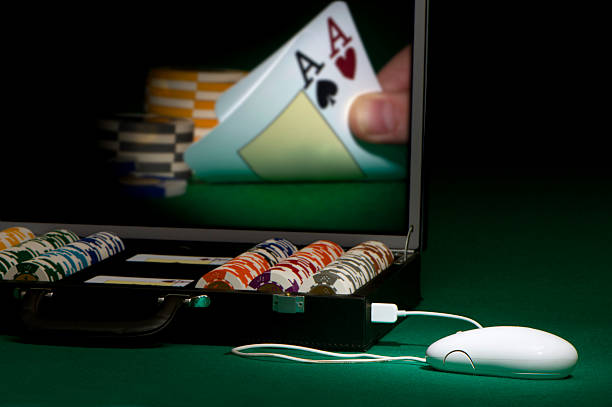
As the landscape of gambling continues to evolve, so does the emphasis on responsible gambling practices. Online betting platforms and casinos increasingly prioritize player safety by implementing measures designed to promote responsible behavior. This includes self-exclusion options and resources for those who may develop gambling-related issues.
The integration of technology in gambling not only enhances user experience but also fosters a culture of accountability. By empowering players with knowledge and tools to gamble responsibly, the online casino landscape strives to create a safer environment that respects both individual freedom and community well-being.